Hosted on October 2-3, 2025 at the Ho-Chunk Nation in the Wisconsin Dells, the Intertribal Harvest Gathering featured hands-on workshops covering a range of topics on food harvesting, growing, cooking, and processing, as well as several sessions on traditional arts where participants were able to make their own clay pots, black ash baskets, corn husk dolls, woven mats, and even corn mortars.
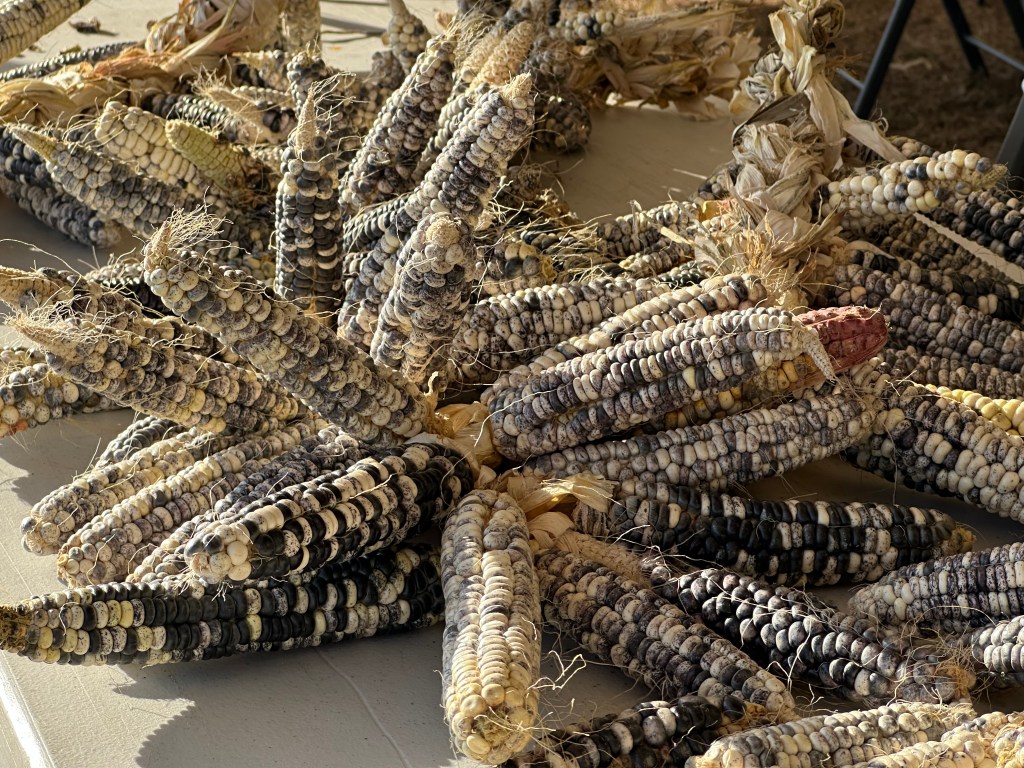
Similar to past Intertribal Food Summits, this Harvest Gathering sought to emphasize hands-on experiential learning rather than classroom, conference centers, and powerpoints. Activities were separated into three main areas:
- House of Wellness Building. The building’s gymnasium provided an excellent location for traditional arts and the atrium offered dining and exhibitor space. The building’s commercial kitchen served as the primary food production space complimented by the outdoor cooking area
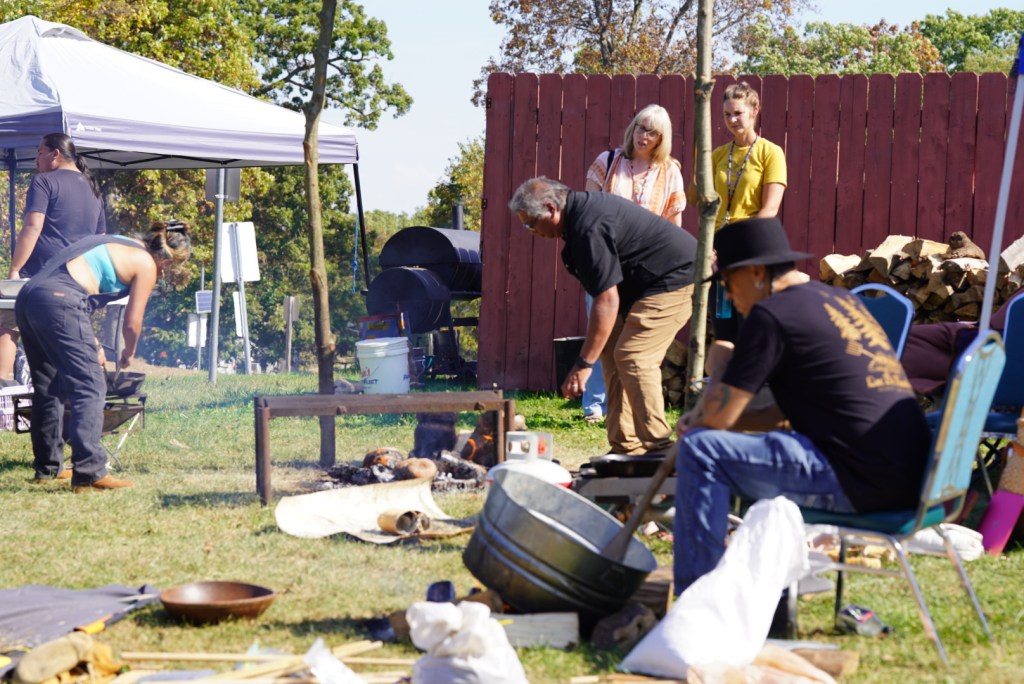
- Fire and Outdoor Workshop Space. A fire pit, cooking frame, and open area with tents immediately outside the House of Wellness provided a great location for outdoor workshops and cooking with easy access to water and electricity.
- Field and Big Top Tent. Less than half a mile down the road, the Ho-Chunk Agriculture Department’s fields featured almost twenty-five acres of community production, research, and demonstration plots, with a big top tent providing space for workshops.
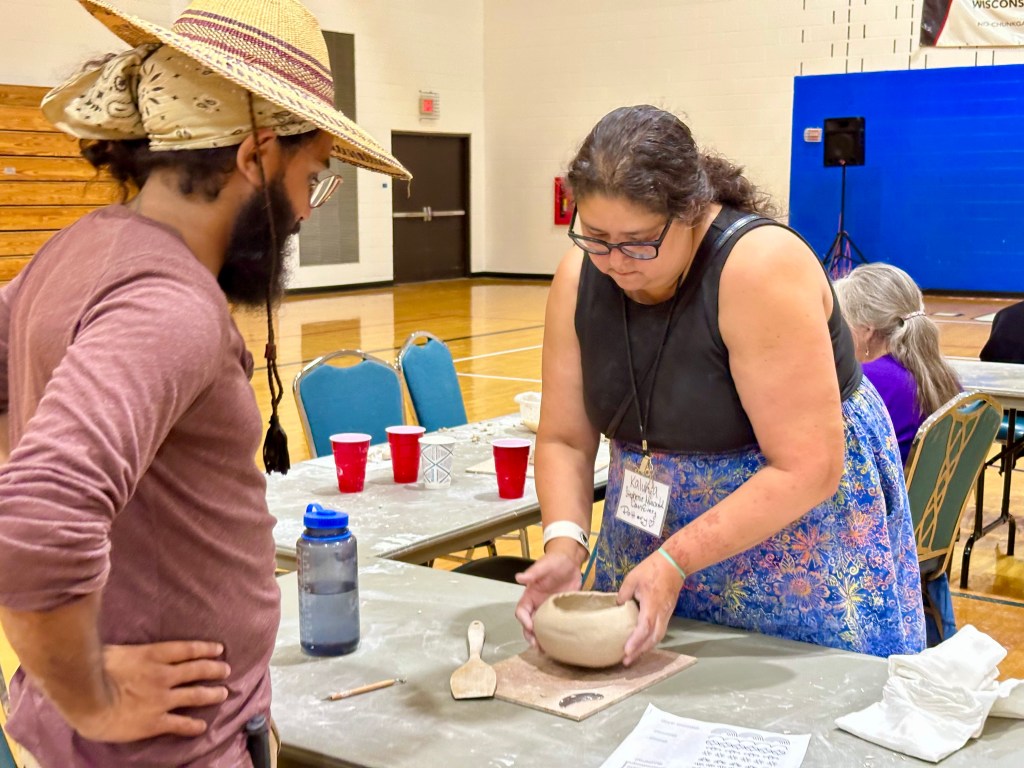

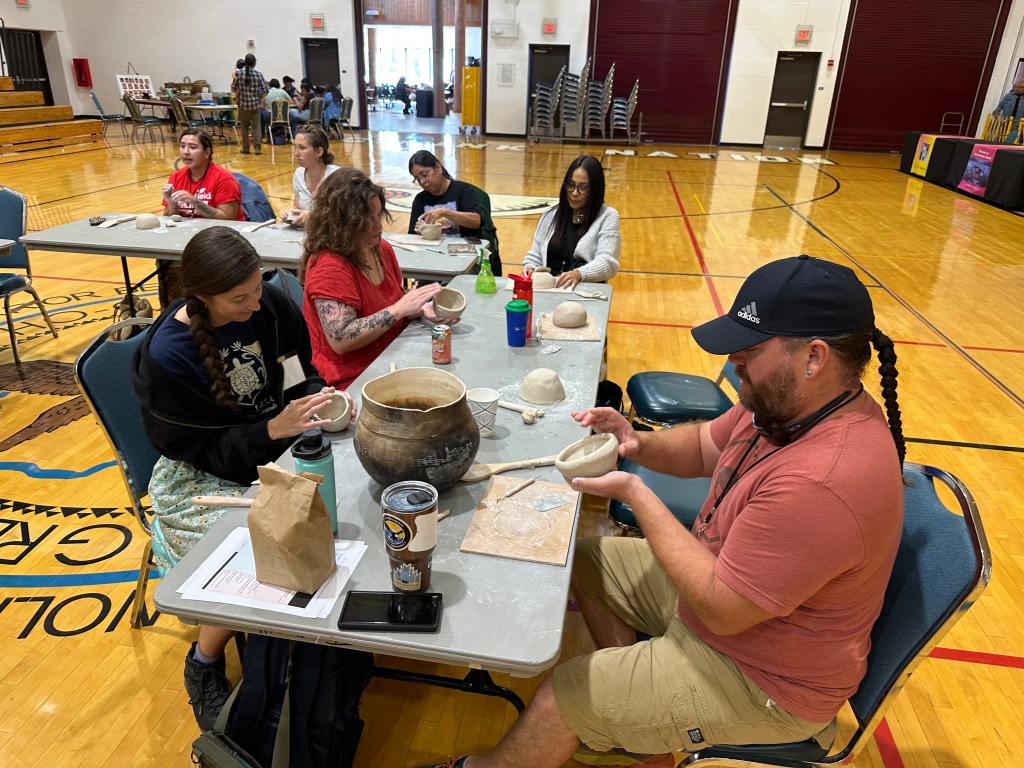
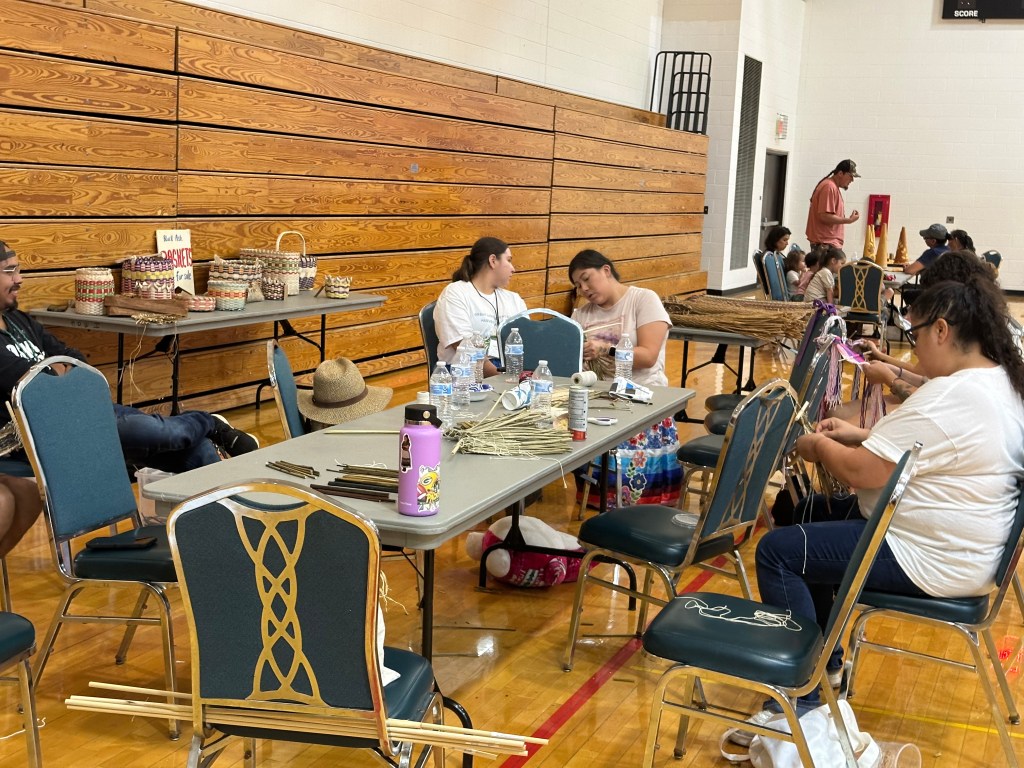

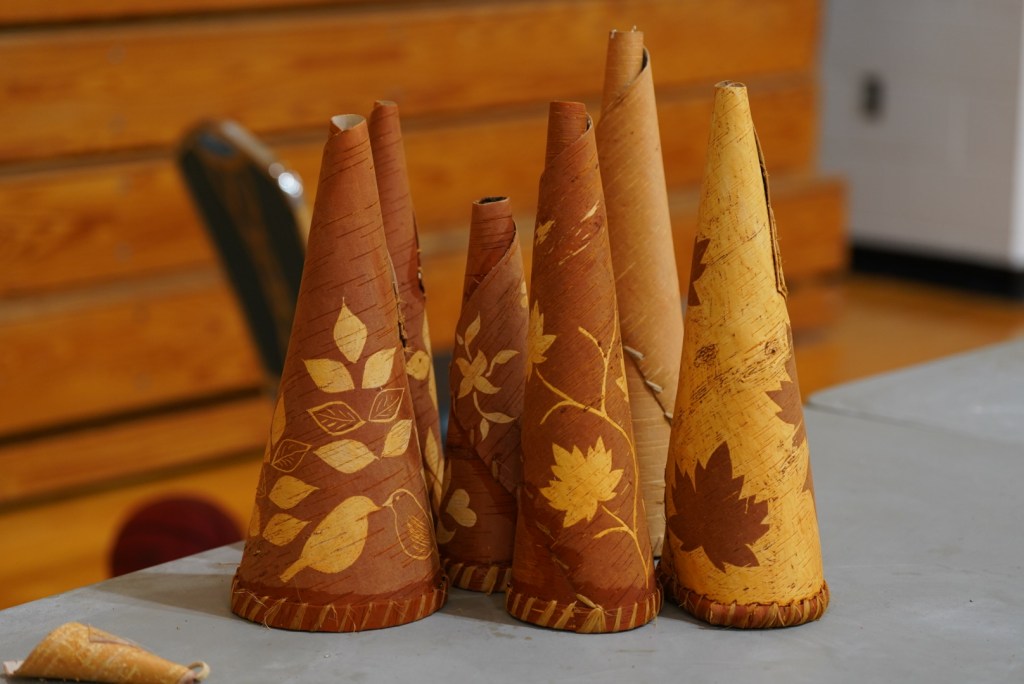
The House of Wellness’ gymnasium, kitchen, and atrium served as the event’s home base, offering a great location for arts workshops including making clay pots, black ash baskets, weaving reeds and other fibers, and etching moose calls. Each of these arts has direct connection to our food preparation, growing, and/or harvesting, so the activities offered opportunity for participants to more deeply connect to various aspects of our foods.

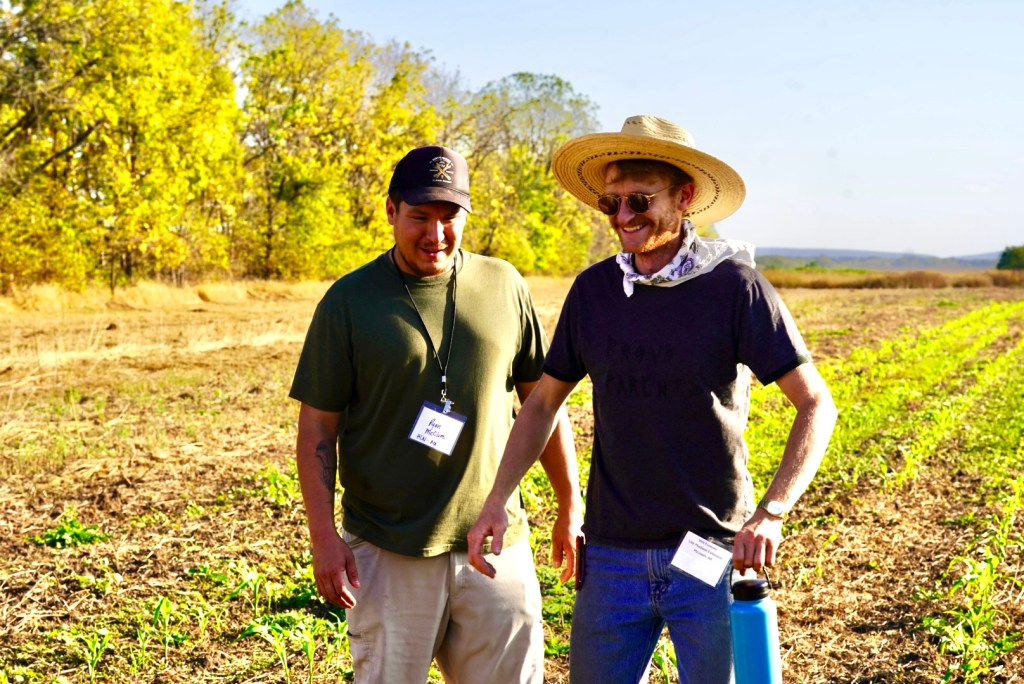
A big top tent created an outdoor home base for field activities, with the Ho-Chunk Agriculture Department’s twenty-five acres of community growing fields serving as another excellent hands-on learning classroom. Event attendees were able to harvest, husk, and braid Ho-Chunk speckled corn. That braiding then connected to corn husk dolls, and another station featured hide tanning.

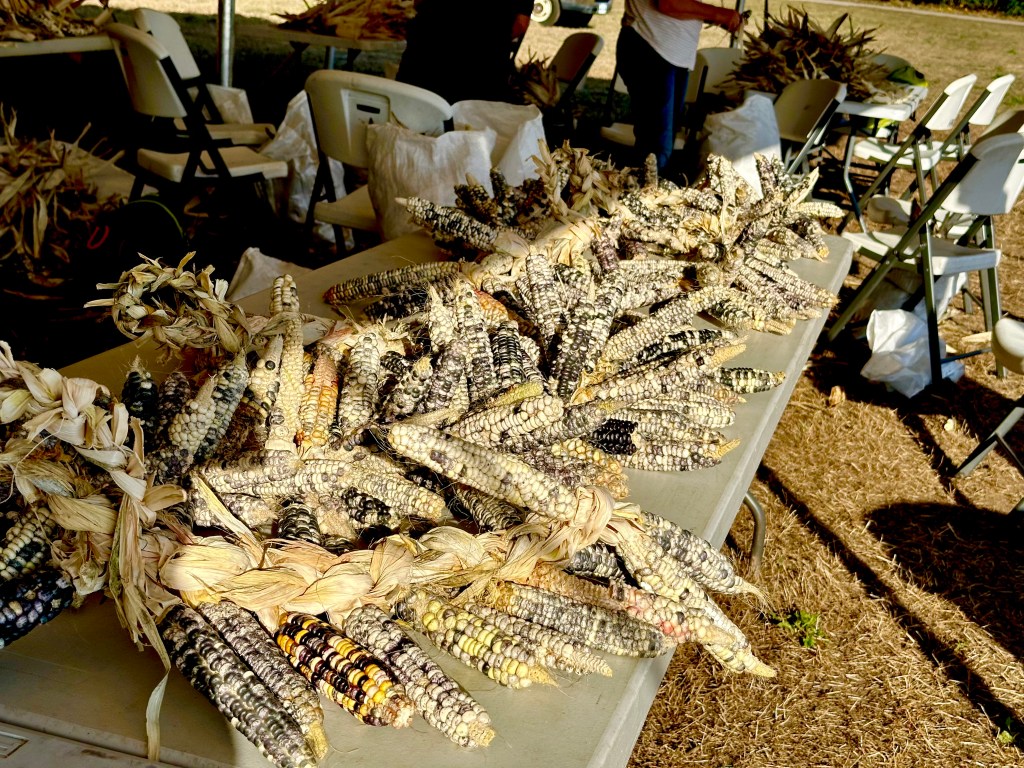
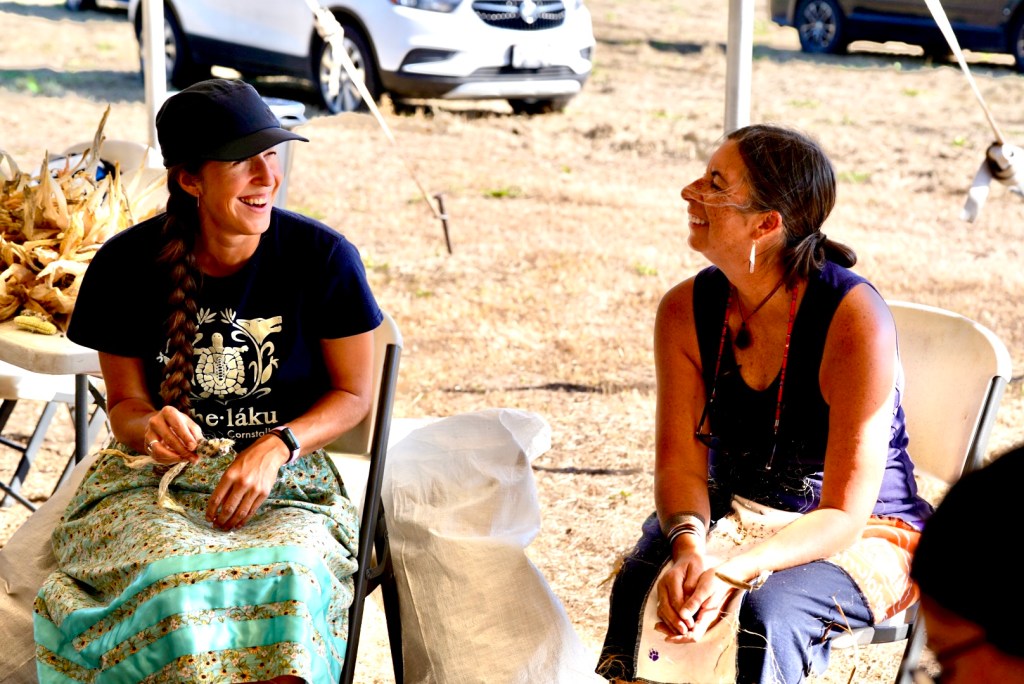

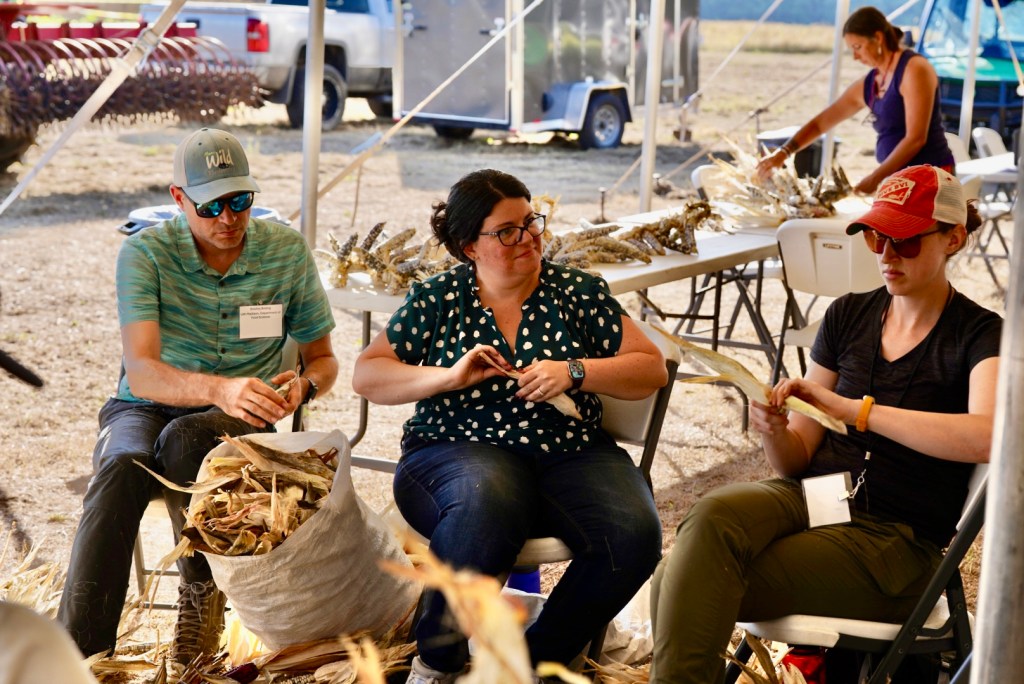
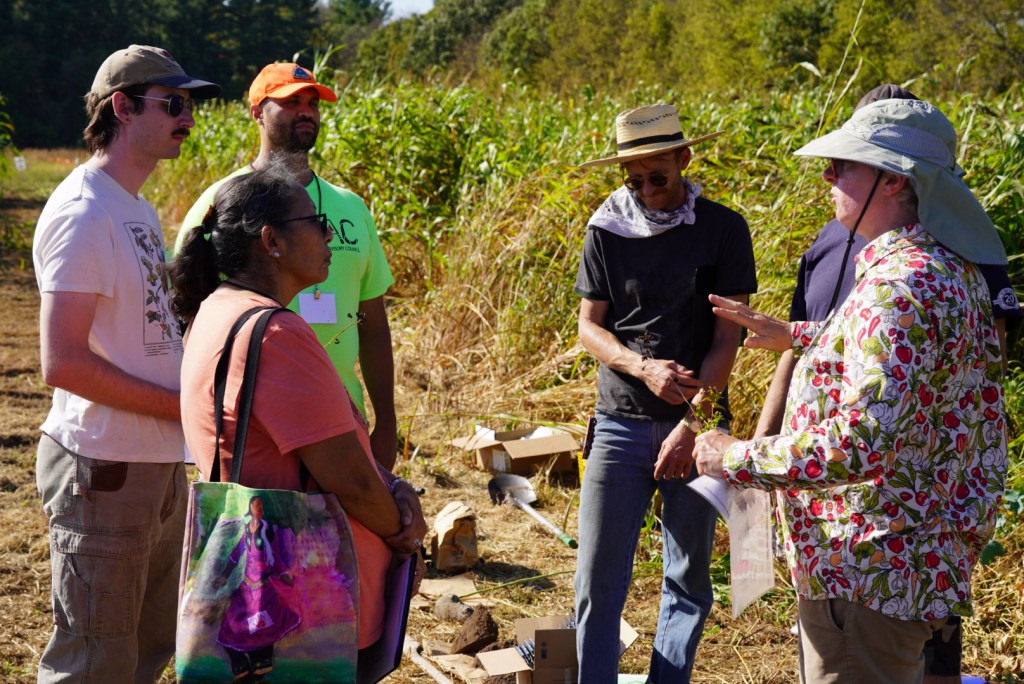
The field location also included several “Intertribal Producer Academy” learning sessions on equipment safety, soils and cover crops, and overview of weeding and cultivation, as well as introducing attendees to maple sap tubing installation with support from the Menominee Indian Tribe of Wisconsin’s Department of Agriculture and Food Systems.

Building on Tribal agronomy trainings held throughout the 2025 season, multiple sessions went into detail on soils, using cover crop and planting demonstrations as an education tool.



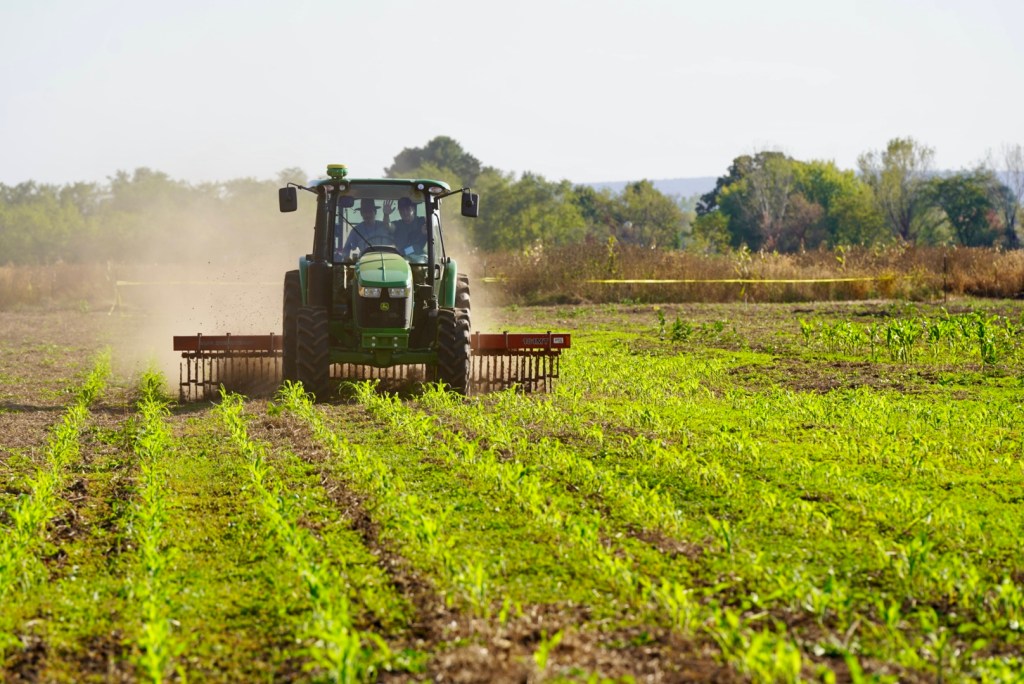
Field cultivation was covered from both hand tool and mechanized approaches, in addition to other practices like cover crops and rotations. Notably, workshop participants were able to witness a rotary hoe (ag attachment with big spikey wheels) running over baby corn plants control weeds with minimal corn damage. Several people were able to ride in the tractor during the demonstration. Additional workshops featured seed keeping and growing approaches from Ecuadorian Kichwa growers.



Traditional Native cooking wouldn’t be complete without outdoor fires. Throughout the event, several workshops covered nixtamizaling hulled corn, smoking meats, making maple sugar, cooking in clay pots and directly in coals, and finishing wild rice. A dozen corn mortars were also finished before being distributed to several communities across the region.


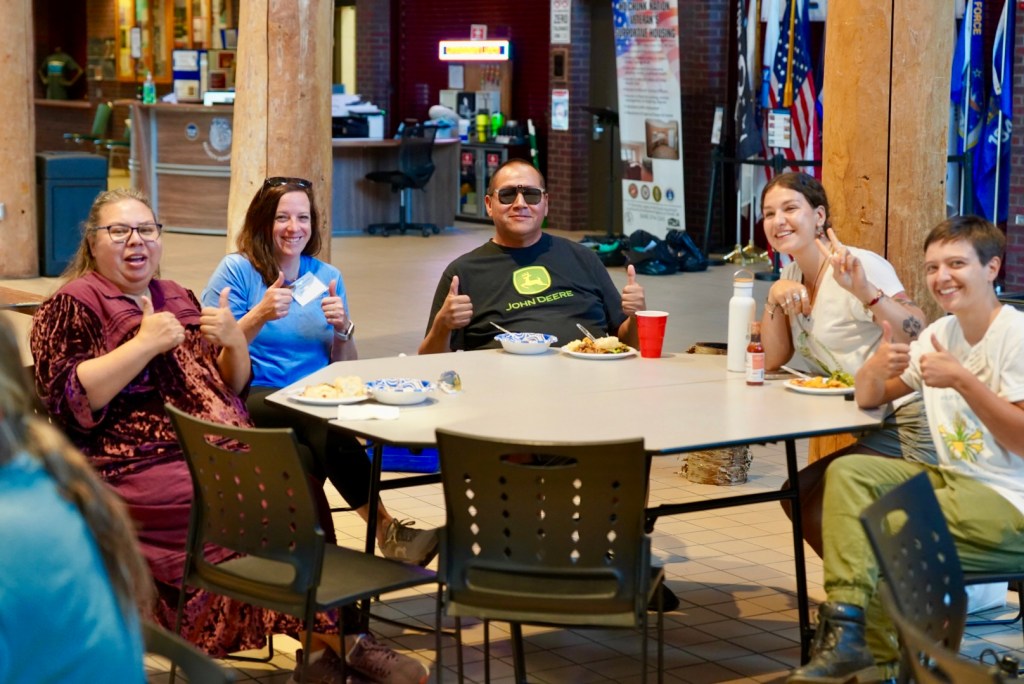
A rotating team of community chefs prepared all meals throughout the event. Many ingredients were sourced from Native producers, and traditional recipes served unique culinary flavors from Ho-Chunk and several other Great Lakes Tribes.
 Intertribal Food Summit